Commercial Industry
Public & Government
Heat Traced Solutions for Public Buildings
Public and government buildings—including state and federal offices, courthouses, police and fire stations, military installations, post offices, libraries, and churches—play a vital role in serving communities. These facilities often feature distinctive architecture, varied occupancy patterns, and specialized operational requirements. Because they frequently accommodate large numbers of people and house critical infrastructure, maintaining safety, comfort, and functionality is essential, especially during colder months.
Common vulnerabilities in building operations and public safety include:
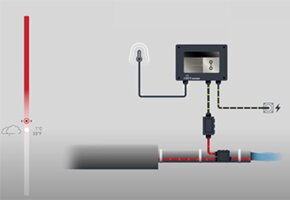
- Domestic and Potable Water Pipes: In cold climates or unheated spaces (such as parking garages and mechanical rooms), water supply lines are at risk of freezing and bursting. Heat tracing technology is essential for preventing this, ensuring a reliable water supply throughout the building.
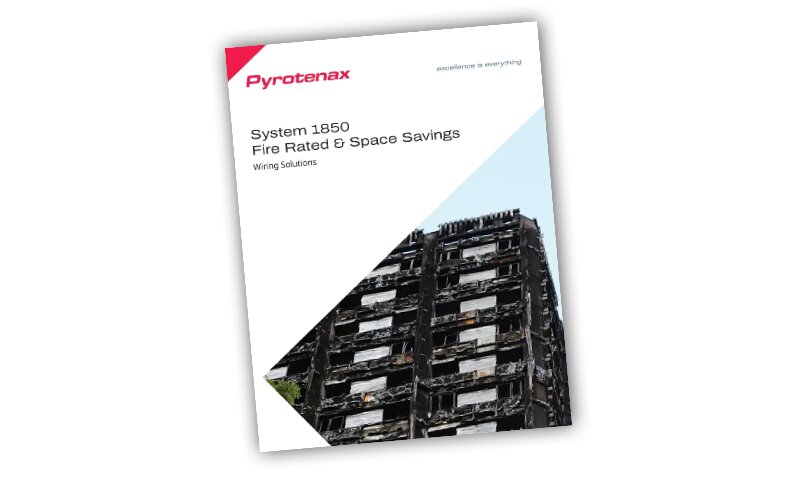
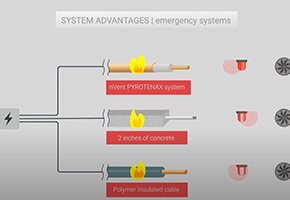
- Sprinkler and Fire Protection Systems: Fire suppression pipes located in unheated areas—such as exterior sections—are vulnerable to freezing. Heat tracing ensures these systems remain operational, preserving fire safety. Additionally, life safety circuits, phone lines, and data cables require secure, fire-rated solutions to remain functional during emergencies.
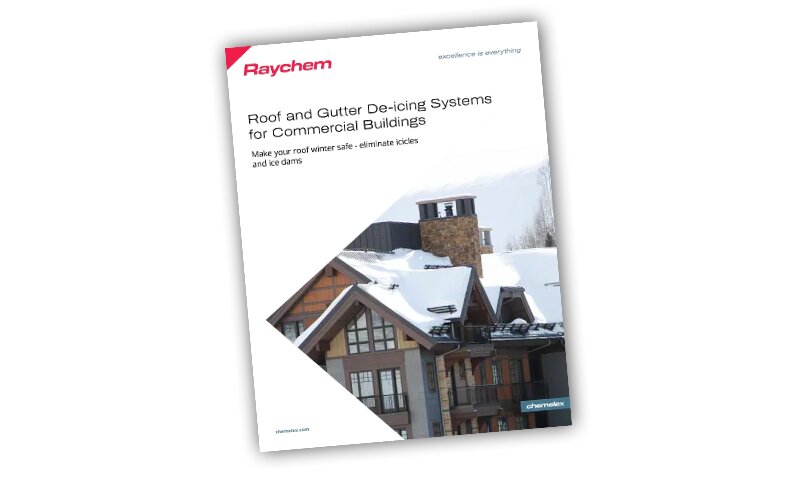
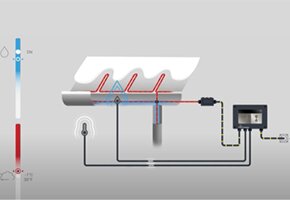
- Roof and Gutter De-Icing: Ice dams and dangerous icicle formation can form on roofs, gutters, and downspouts during winter, leading to leaks, structural damage, or danger for pedestrians. Heat tracing systems melt snow and ice, preventing these problems and ensuring safe building access.
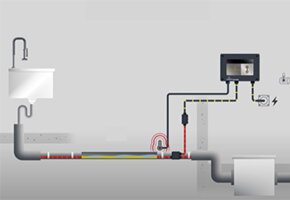
- Drainage and Sewer Pipes: Pipes located in unconditioned spaces (such as basements or underground garages) are susceptible to freezing and blockage. Heat tracing keeps wastewater and stormwater systems operational year-round.
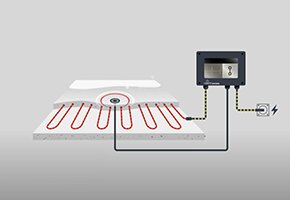
- Outdoor Walkways and Ramps: Accumulation of snow and ice on entrances, steps and walkways create hazardous conditions. Surface heat tracing reduces the risk of slips and falls, improving safety for tenants.
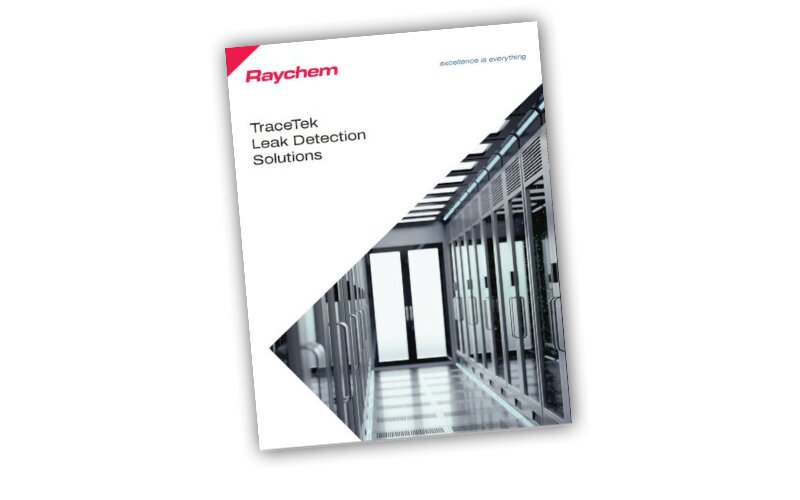
- Mechanical Equipment and HVAC Systems: Some mechanical systems—such as HVAC condensate drains or process piping—are prone to freezing, which can compromise efficiency. Heat tracing helps maintain proper operation. For buildings with diesel-powered backup generators, prompt detection of diesel fuel leaks is essential to prevent fire hazards.
- Critical Infrastructure Areas: Supports uninterrupted operation of IT rooms, laboratories, and other sensitive facilities by maintaining optimal temperatures for equipment and processes.
- Storage and Archive Areas: Libraries, courthouses, and government offices often store sensitive documents, books, and records. Heat tracing may be used in archive rooms to maintain humidity and temperature levels, safeguarding important materials from damage due to condensation or freezing.

Blog
Wiring A More Sustainable and Electrified World