
Industrial Sectors
Food & Beverage
Industrial food and beverage plants are large-scale manufacturing facilities where raw ingredients are processed, refined, blended, cooked, packaged, and distributed as edible products or beverages. For these operations, safeguarding product quality and safety is paramount—alongside maintaining reliable manufacturing uptime and consistent production output.
To achieve these goals, these facilities must carefully manage several critical systems, including:
- Raw material delivery and storage systems: ingredient transfer lines carry liquids from storage tanks to processing areas.
- Process piping: transport ingredients, intermediates, and finished products and may include product lines, water supply and utility lines, and steam lines.
- Clean-In-Place (CIP) and Sanitize-In-Place (SIP) systems: rely on regulated hot water, steam, and cleaning solutions circulating to sanitize process lines and equipment.
- Wastewater treatment and effluent systems: facilitate the movement of wastewater from food and beverage processes that may contain fats, proteins, and other organic matter.
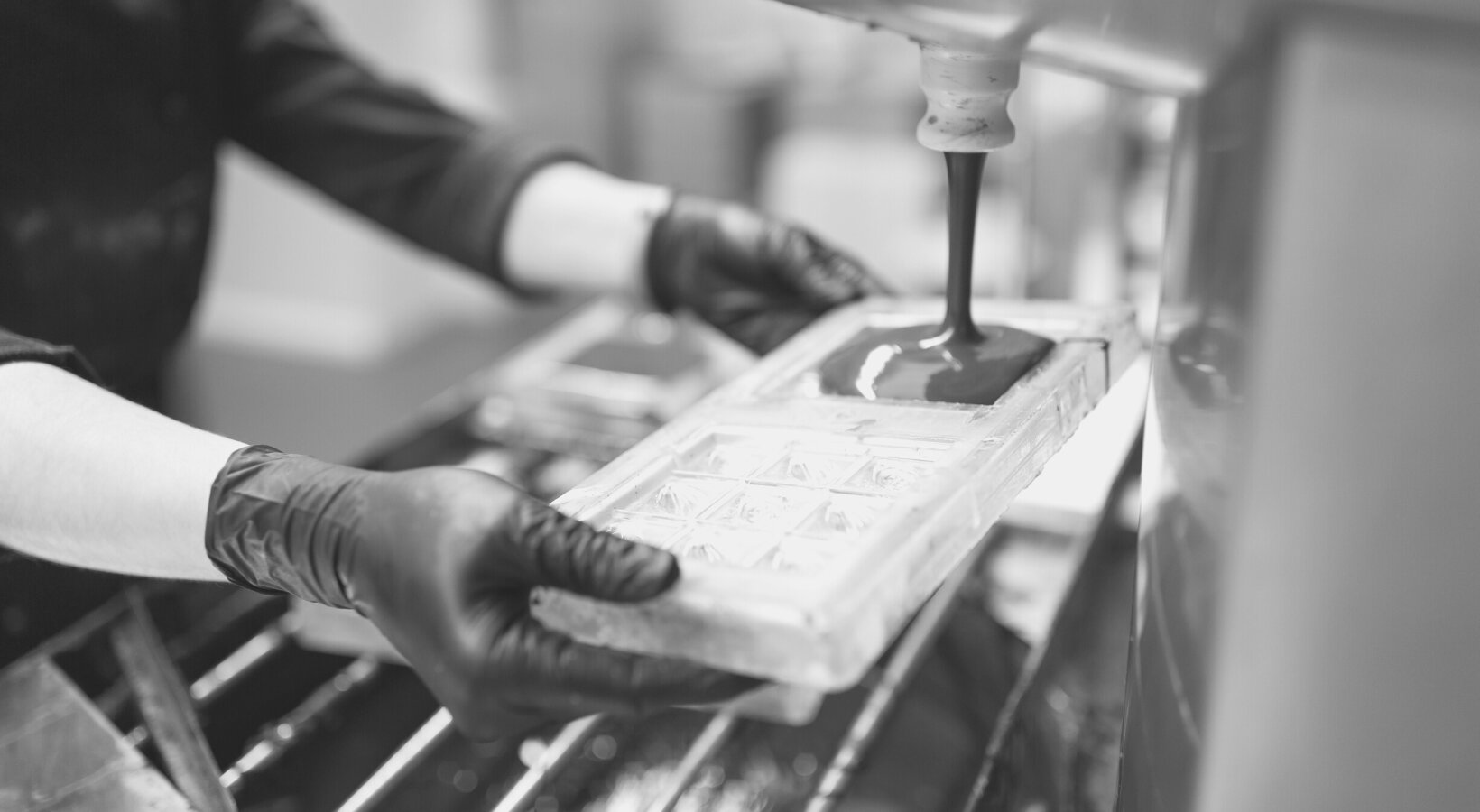
- Specialty production areas: maintain precise thermal control throughout the production lines for certain products, such as chocolate, to prevent solidification and ensure smooth processing.
- Exterior and exposed piping: facilitate loading doc and distribution center delivery, but also utility and waste management piping
- Refrigerated areas and cold storage: keep food cold to maintain product quality and safety.
The production processes in these plants often involve the transfer and storage of temperature-sensitive ingredients, such as oils, syrups, dairy products, and cleaning solutions. Many of these substances can solidify, crystallize, or become highly viscous at lower temperatures, impeding flow and potentially causing blockages in pipes and valves.


Case Study
Chocolate Factory
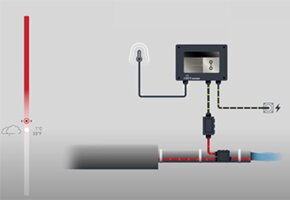
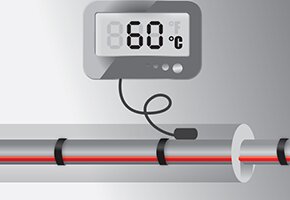
Did you know that 1.5 kg of cocoa grains is needed to produce 1 kg of chocolate? The process of making chocolate requires delicate science and temperature. In fact, temperature is critical! An Raychem heat trace system maintains the precise temperatures required for making perfect chocolate. Thanks to that, you can enjoy delicious treats! Enjoy!

