Commercial Industry
Education & Institutional
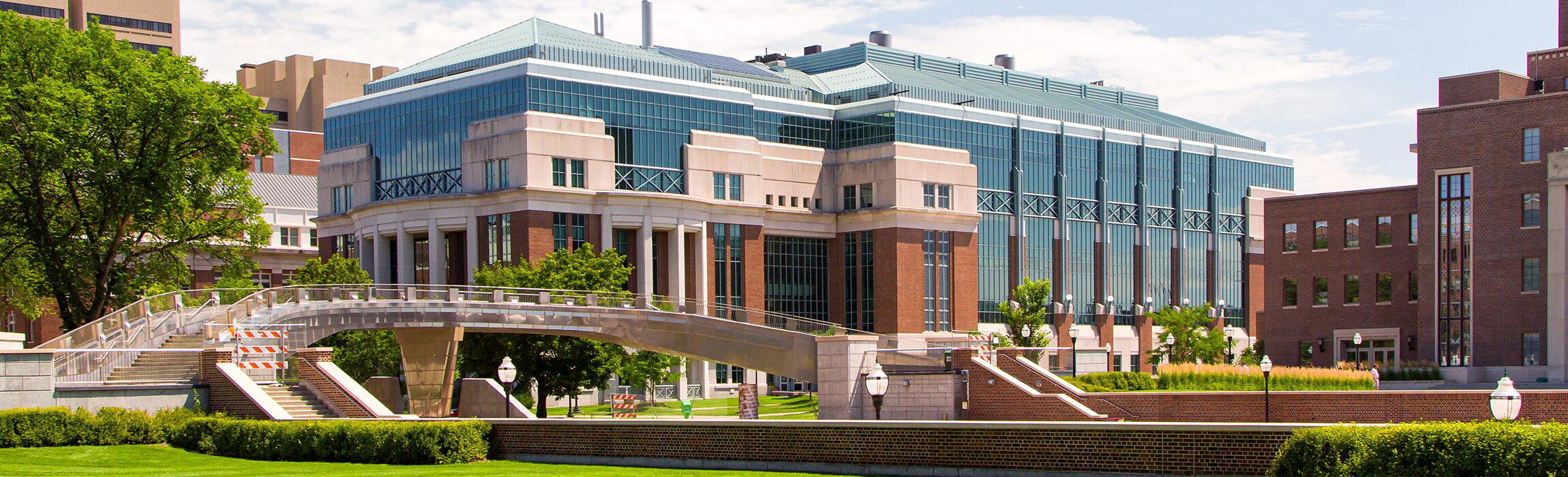
Educational and institutional buildings—including schools, universities, colleges, libraries, and research centers—are complex environments designed to support learning, research, and administrative activities. These facilities typically feature a wide variety of spaces such as classrooms, laboratories, offices, cafeterias, auditoriums, gymnasiums, libraries, restrooms, and mechanical areas. Ensuring the safety, comfort, and operational efficiency of these buildings is a critical responsibility for building managers and facility engineers.
Common vulnerabilities in building operations and public safety include:
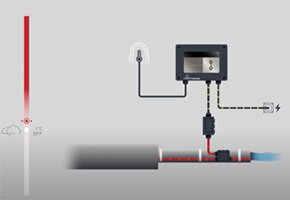
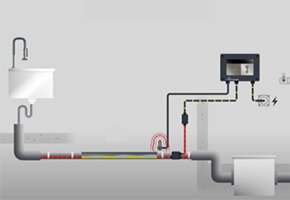
- Domestic Water Pipes: Hot and cold water supply lines, especially those located in exterior walls, unconditioned spaces, or near building perimeters, are at risk of freezing in cold climates. Without proper protection, frozen pipes can burst, disrupting water supply. Implementing heat tracing systems prevents freezing, safeguarding water availability.
- Laboratory and Specialized Piping: Laboratories and research areas often require precise temperature control for fluids or gases. Heat tracing keeps temperatures consistent, which is essential for maintaining the integrity of experiments and ensuring safety.
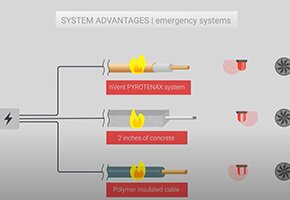
- Sprinkler and Fire Protection Systems: Fire suppression pipes located in unheated areas—such as exterior sections—are vulnerable to freezing. Heat tracing ensures these systems remain operational, preserving fire safety. Additionally, life safety circuits, phone lines, and data cables require secure, fire-rated solutions to remain functional during emergencies.
- Grease Waste Pipes: Kitchens produce grease waste that can solidify and clog pipes. Heat tracing maintains appropriate pipe temperatures, preventing grease buildup and reducing maintenance issues.
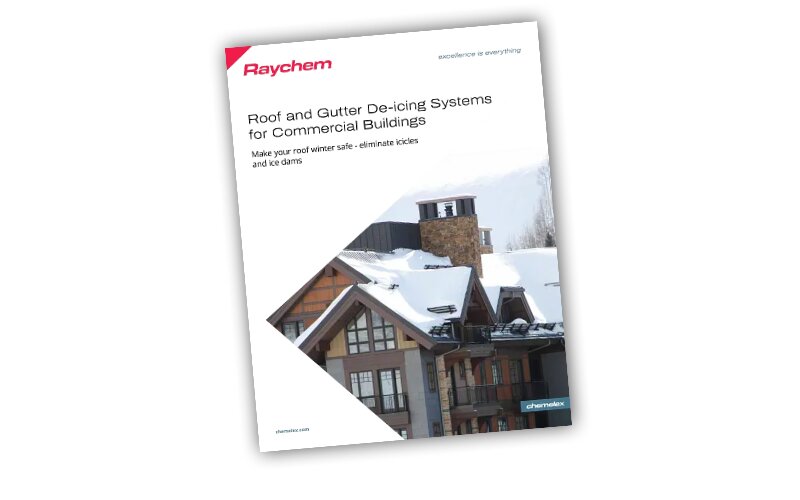
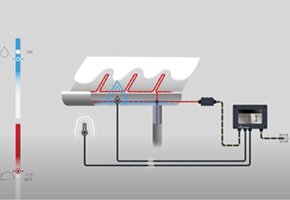
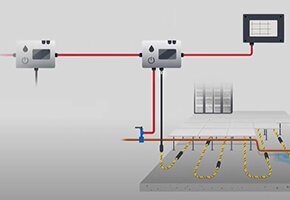
- Roof and Gutter De-Icing: Ice dams and dangerous icicle formation can form on roofs, gutters, and downspouts during winter, leading to leaks, structural damage, or danger for pedestrians. Heat tracing systems melt snow and ice, preventing these problems and ensuring safe building access.
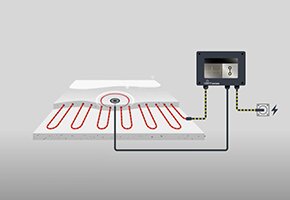
- Outdoor Walkways and Ramps: Snow and ice accumulation on entrances, steps, ramps, and walkways can create hazardous conditions. Surface heat tracing minimizes slip-and-fall risks, improving safety for students, staff, and visitors.
- Mechanical Equipment and HVAC Systems: Some mechanical systems—such as HVAC condensate drains or process piping—are prone to freezing, which can compromise efficiency. Heat tracing helps maintain proper operation. For buildings with diesel-powered backup generators, prompt detection of diesel fuel leaks is essential to prevent fire hazards.

Case Study
Electric Design for a Historic Building
Cornell University | Ithaca, NY