Industrial Sectors
Industrial Manufacturing
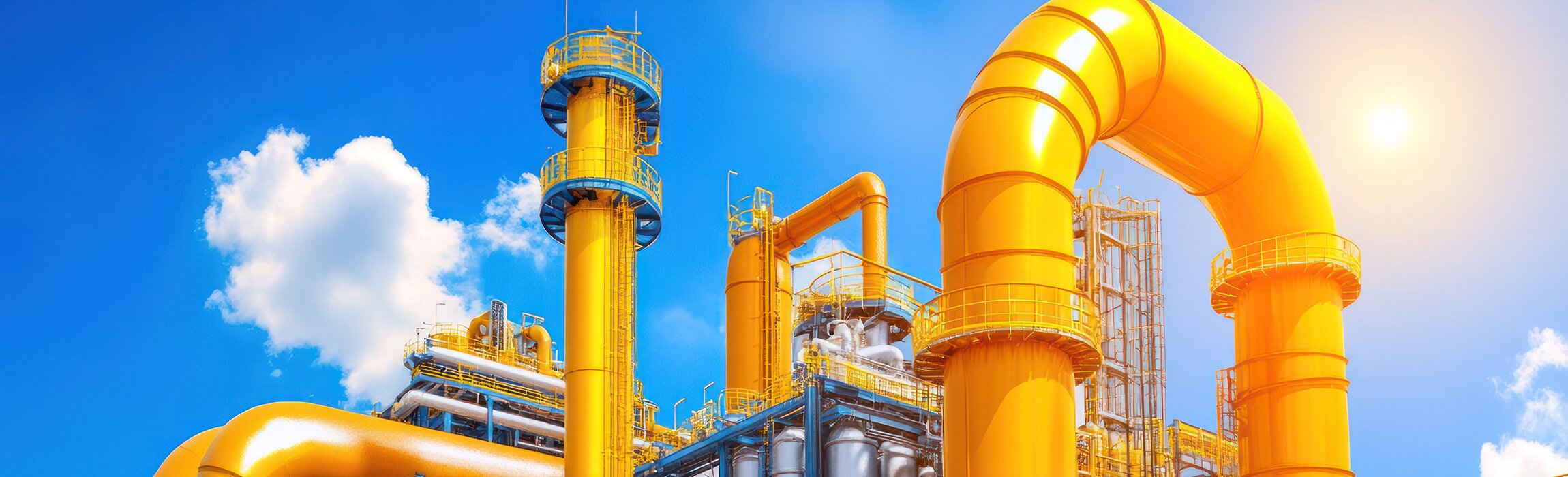
Industrial manufacturing plants are large are large-scale manufacturing facilities where raw materials are transformed into finished products through various machines and processes. Think of it as a place where things are made on a big scale, for example, cars, electronics, textiles, etc. For these operations, safeguarding product quality and safety is paramount—alongside maintaining reliable manufacturing uptime and consistent production output.
To achieve these goals, these facilities must carefully manage several critical systems, including:
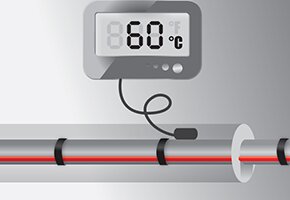
- Process Piping: transport liquids and gases essential for production, for example, water and process chemical lines
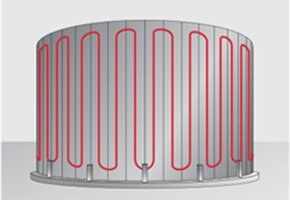
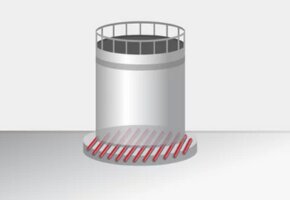
- Storage Tanks and Vessels: store raw materials, intermediates, or finished products, for example, bulk chemical, water, solvents, and paints.
- Instrumentation Lines and Valves: control the process through monitoring and sampling products.
- Process Drainage and Effluent Lines: carry waste, slurries, caustics, and solvents that result from the production process.
- Loading and Unloading Systems: transfer chemicals, fuels, or water to and from trucks, railcars, or ships.
- Critical Manufacturing Lines: require precise temperature control within the lines themselves to preserve material properties, for example, adhesives, sealants, dyes, coatings, resins, and specialty paints.
Heat tracing is essential for industrial manufacturing plants because it actively safeguards pipes, valves, tanks, and other critical equipment from the risks of freezing or temperature fluctuations, which can compromise product quality, reduce operational efficiency, and lead to costly downtime or safety hazards.
Case study
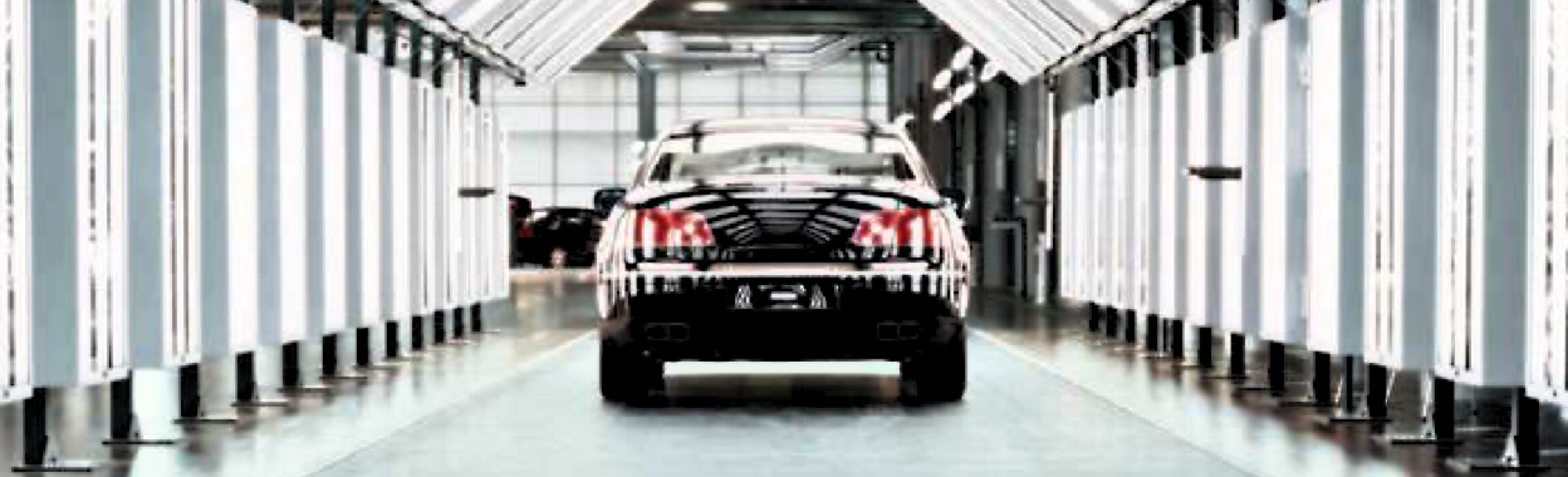
Heat tracing and Leak Detection Solutions for Automotive Plant Oil Depot