
Energy
Biofuels
Raychem mission critical solutions for energy-efficient, safe and reliable operations.
Biofuels and clean fuels are essential in the energy transition towards attaining carbon neutrality. Biofuels are derived from renewable sources such as plants, used cooking oils, algae or bio waste.
- Ethanol is obtained through fermentation and is blended with conventional gasoline.
- Biodiesel is obtained through trans-esterification and is blended with conventional diesel to reduce carbon footprint.
- Renewable diesel (HVO) relies on a hydrotreatment process (similar to traditional refining) and can be used as 100% drop-in replacement fuel.
- Sustainable aviation fuel (SAF) is obtained from similar refining process and is a substitute to fossil jet fuel.
- Other clean fuels include biogas, green ammonia and methanol from green hydrogen, etc.
Biofuel production is more complex than fossil fuel and comes with extra challenges:
- Renewable feedstock contains more water and oxygen, and needs more pre-treatment and hydrogen supply.
- Edible oils are more sensitive to temperature changes and wax issues. They need higher maintain temperatures (50-80°C/120-175°F) and a narrow temperature band.
- Feedstock batches can be diverse, depending on availability. This requires flexibility in the heat tracing and temperature controls on process units and storage tanks.
- New projects include the need for data connectivity, energy efficiency and alarm management solutions reducing the operating costs and risks for downtime.





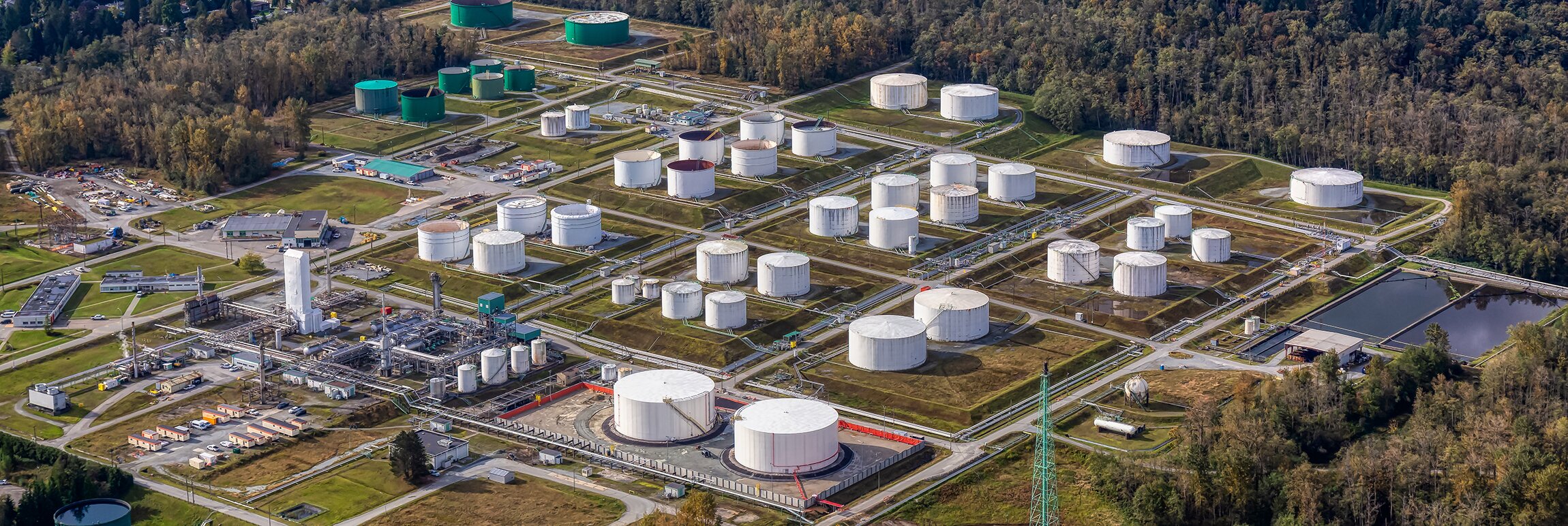
Protecting Critical Processes for Refinery Conversion for Sustainable Aviation Fuel (SAF)
Learn how we met the customer’s mission critical objective for keeping critical feedstock processes running with proven heat trace solutions and optimized power distribution.