Commercial Industry
Warehouses
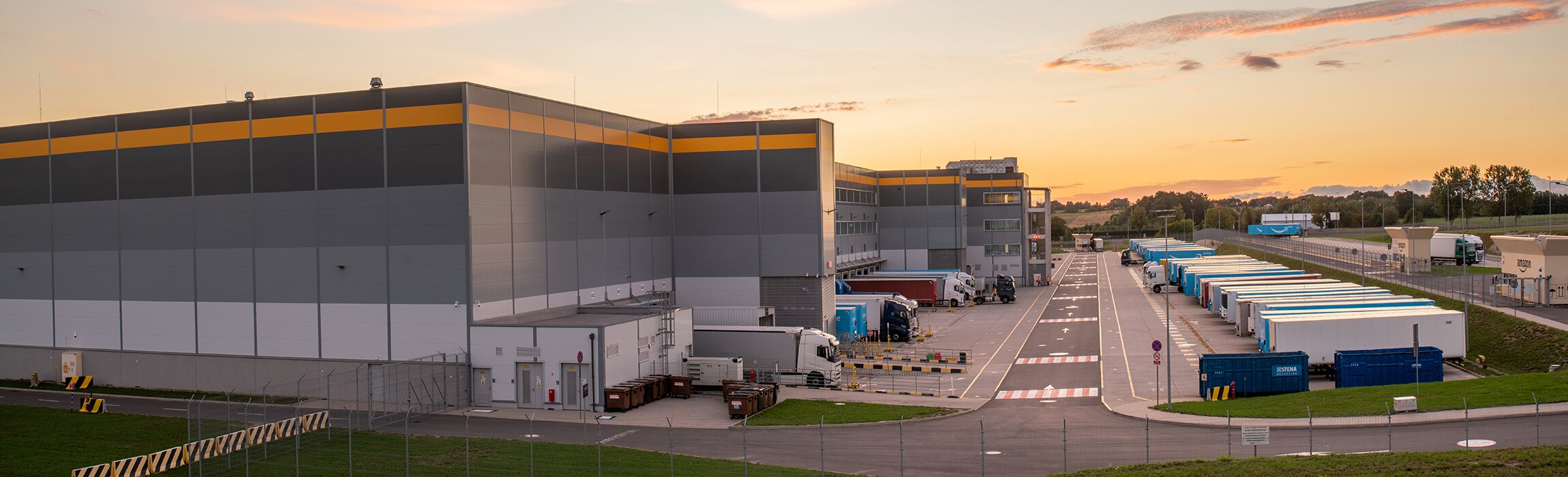
A warehouse is generally a large, open facility specifically designed for storing and distributing goods and materials. These buildings typically feature steel or concrete frames, high ceilings that accommodate racking and shelving systems, and wide-span floors that allow forklifts and pallet trucks to move freely. Exterior walls are often constructed from insulated metal panels for durability and energy efficiency, while roofs are usually flat or slightly pitched, often equipped with skylights to provide natural lighting. Loading docks are strategically placed along one or more sides of the structure, optimizing the flow of goods in and out of the warehouse.
Inside, warehouses are commonly divided into functional zones, such as bulk storage, cold storage areas, packing sections, and administrative offices. Effective warehouse management is responsible for ensuring the safety, comfort, and operational efficiency of these spaces.
Common vulnerabilities in warehouse operations and public safety include:
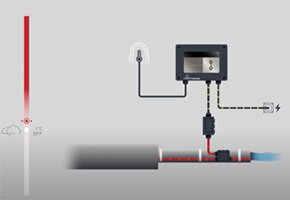
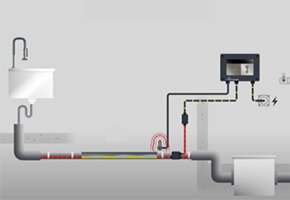
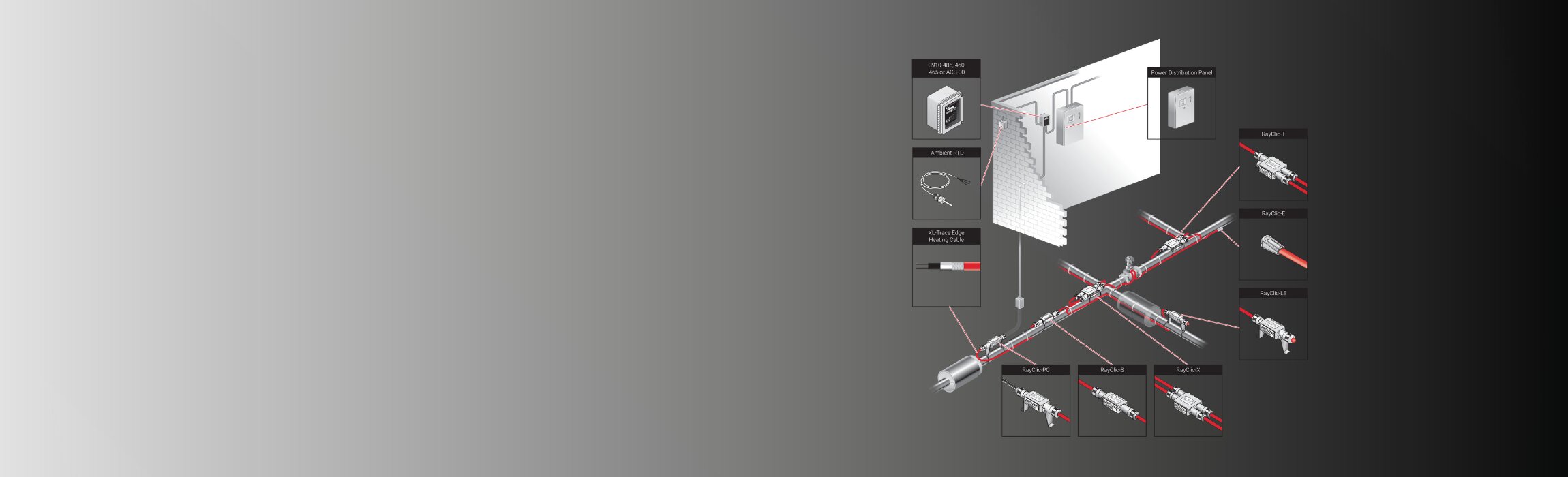
- Pipework and Plumbing: Warehouses require extensive water and drainage systems. Pipes—especially those on exterior walls, in unheated zones, or exposed to cold drafts—are at risk of freezing in colder months. Heat tracing is essential for protecting fire suppression lines, domestic water supply, and drainage pipes from freezing and potential damage.
- Loading Docks and Exterior Entrances: These frequently accessed areas are exposed to outdoor temperatures. Water lines, sump pumps, and sprinkler systems here are vulnerable to freezing. Applying heat tracing ensures these critical systems remain functional, even in severe weather conditions.
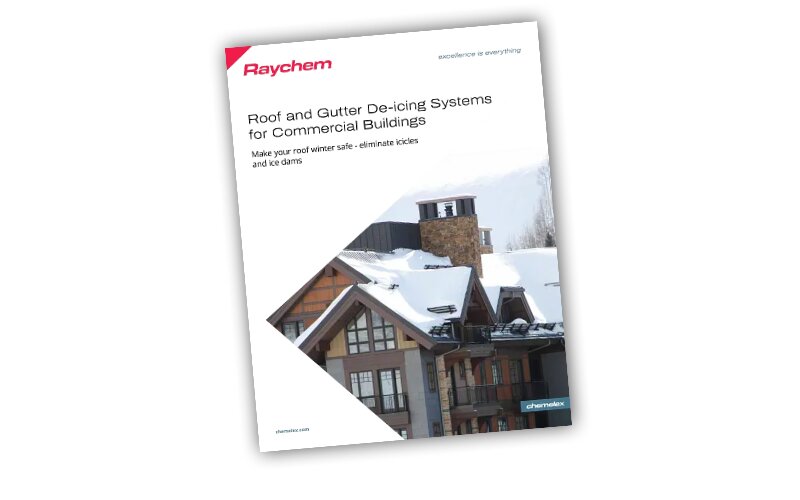
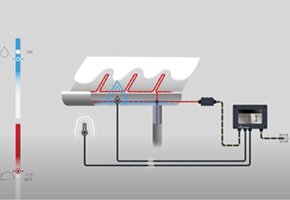
- Roof Drains and Gutters: During winter, ice dams and icicles can form on roofs and gutters, causing leaks, structural damage, or posing safety hazards. Heat tracing systems melt snow and ice, preventing these problems and maintaining safe building access.
- Restrooms and Break Areas: Plumbing serving restrooms, kitchenettes, and break rooms, especially those in less-heated parts of the building, can benefit from heat tracing to prevent pipe freezing and service interruptions.
- Mechanical Rooms: Mechanical or utility rooms that house water heaters, pumps, or boilers should have heat tracing on exposed piping, particularly if these spaces are near exterior walls or in unheated sections of the warehouse.
Warehouses that include refrigerated or freezer areas require special attention to prevent operational issues caused by freezing temperatures. Heat tracing is essential for refrigeration piping, floor drains, and any water lines entering cold storage rooms. This system helps prevent ice blockages and ensures that these utilities continue to function properly.
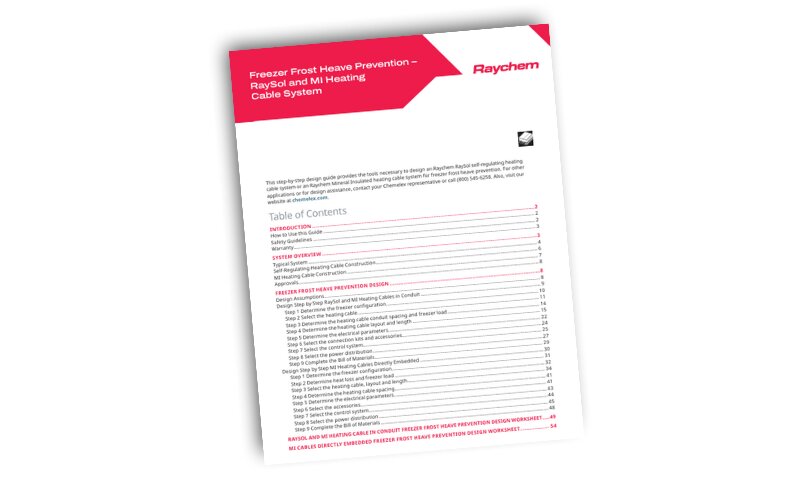
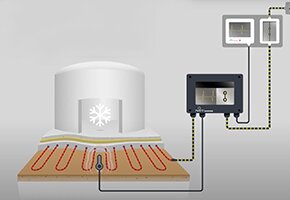
Within cold rooms and freezers, extremely low temperatures can cause the soil beneath the floor to lose heat. When the soil freezes, water is drawn into the frozen areas by capillary action, eventually forming concentrated ice masses. As these ice masses grow, they can push up (heave) the freezer floor and even affect supporting columns. This frost heave can lead to significant structural damage and disrupt warehouse operations.
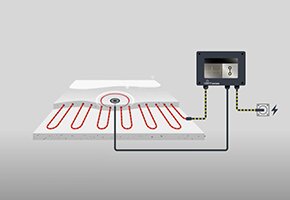
To prevent this issue, specialized heat tracing systems, known as freezer frost heave prevention systems, are installed. These systems maintain the soil temperature below the freezer floor, stopping ice from accumulating and protecting the warehouse structure from damage and costly business interruptions.
Quick Reference Guide
Pipe Freeze Protection for Buildings